 Fundlet

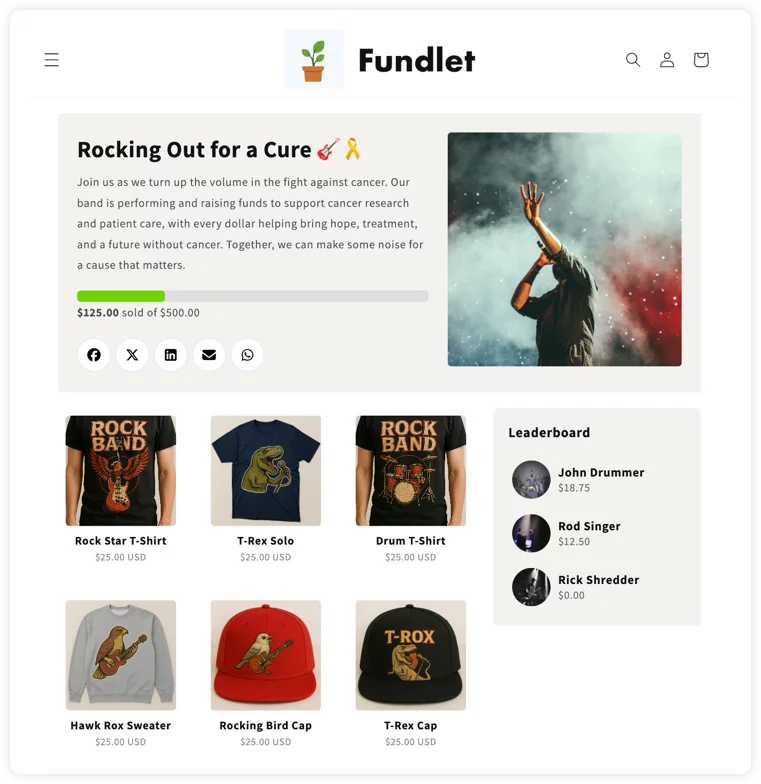
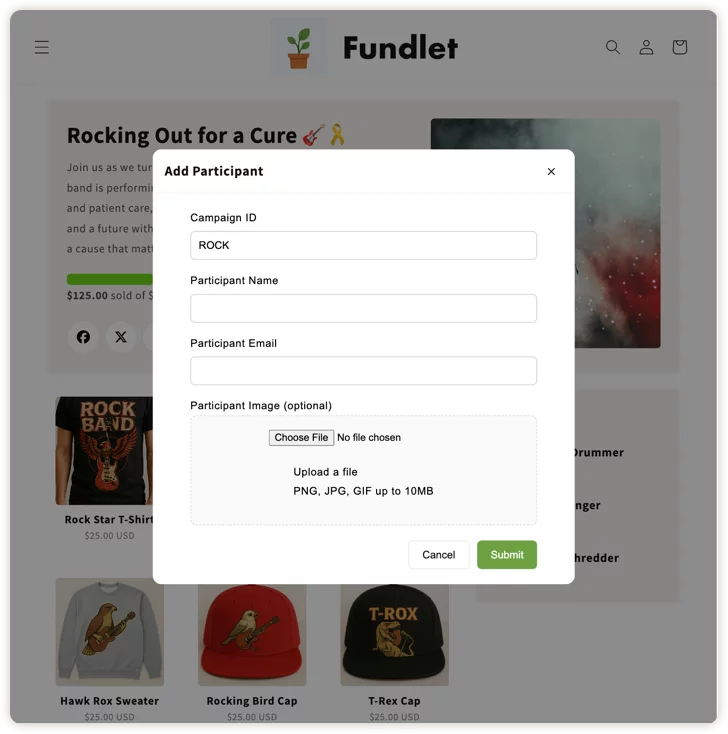

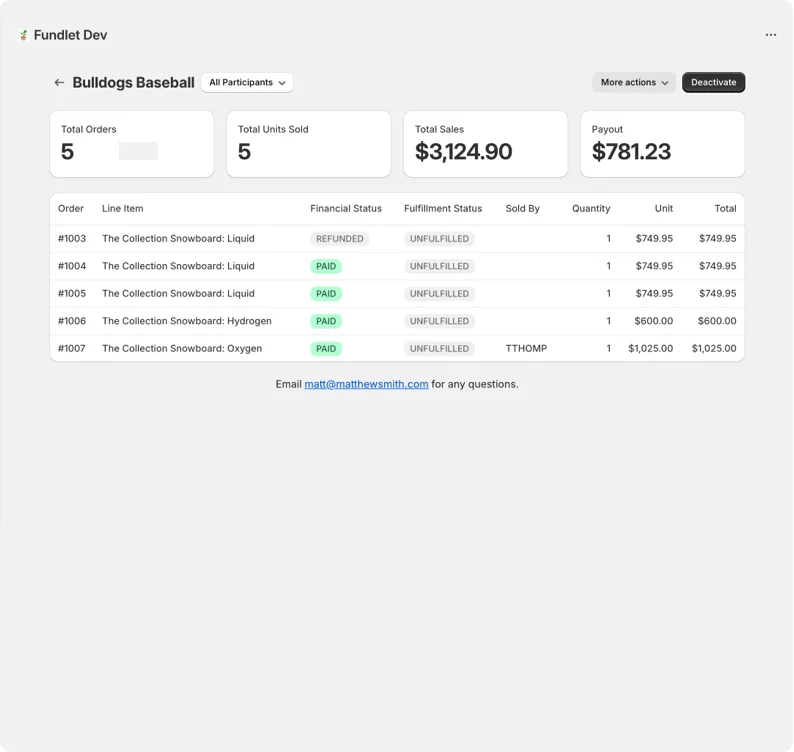
Short answer: A theater or drama program can fundraise by selling a shop's products through a Fundlet campaign in the program's name. Cast and crew each get a personal link, supporters order online, and every sale is credited automatically — so the drive does not need rehearsal time, a box of order forms, or a parent volunteer counting cash during tech week.
Theater budgets are front-loaded in a way that makes them awkward to fund. Performance rights, scripts, and royalties must be paid before a single ticket is sold, set materials and costumes follow immediately, and ticket revenue only arrives at the very end — if the house fills.
Money before the curtain, not after
Ticket sales are the wrong instrument for covering pre-production costs, because they settle months too late. A campaign scheduled to close before rights are licensed turns that around: the program raises against a known expense ahead of time rather than borrowing against hoped-for attendance.
Cast and crew both count
Crew, pit, and tech students are routinely left out of fundraising recognition because paper drives track only whoever brought back a form. With a participant list, everyone involved in the production has a link and a total — which matters for programs that credit sales toward festival trips or thespian society dues.
- Per-participant totals for cast, crew, and pit
- Group participants by production or by role
- Rehearsal time stays rehearsal time
- Records export for the booster or parent group
Runs on the production calendar
A drive that needs weekly collection meetings cannot coexist with tech week. This one needs no meetings at all: students share links, supporters check out, and the dashboard reports itself. You can open a campaign at auditions and close it before opening night without touching it in between.
Festivals, conferences, and competition travel
State festivals and thespian conferences arrive with registration fees, hotel blocks, and a bus. Because sales can be tracked per student, programs can apply a student's earnings to their own travel cost, which is usually the difference between a delegation of six and a delegation of twenty.
An audience that already exists
Theater programs have a mailing list, a social following, and an alumni network — people who buy tickets every year and will happily buy a local shop's products to support a show. A shareable link reaches all of them, including the ones who have moved away.
Book a free 30-minute consultation to plan a pre-production drive, or send this page to a local shop you would like to work with.
See also: Fundraising for Bands and Music Programs, Fundraising for Schools, and the full index of organization guides.
 Add to Square Store