 Fundlet

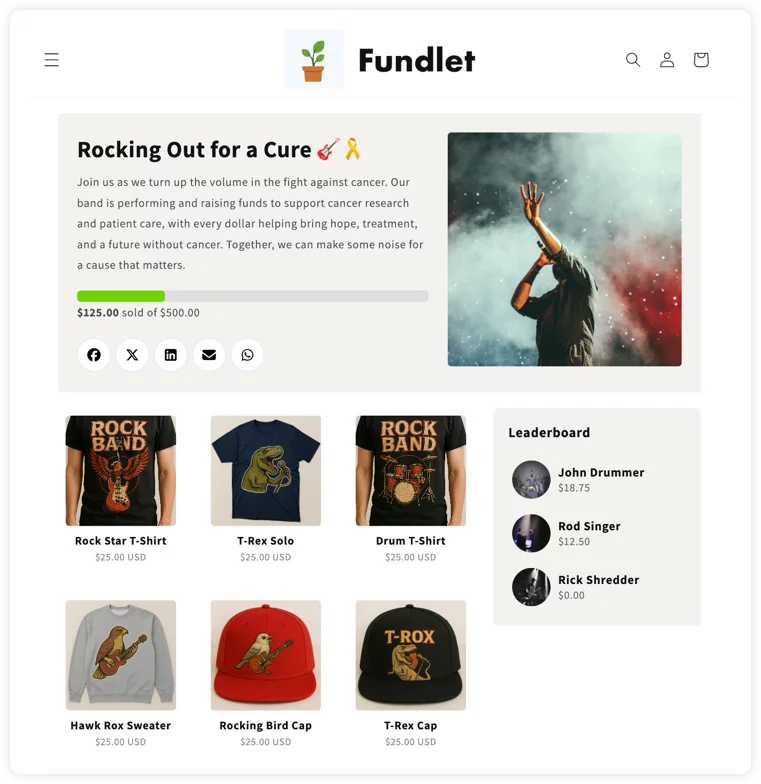
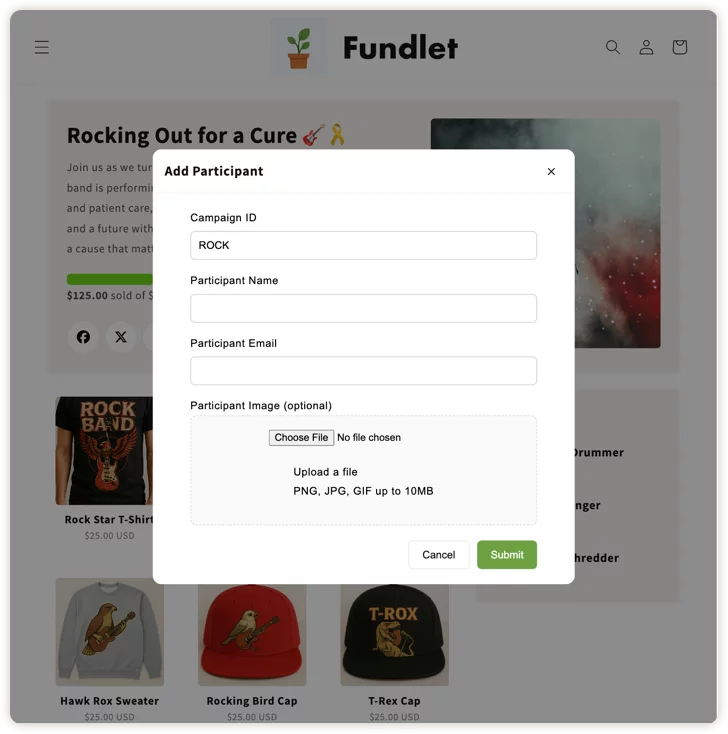
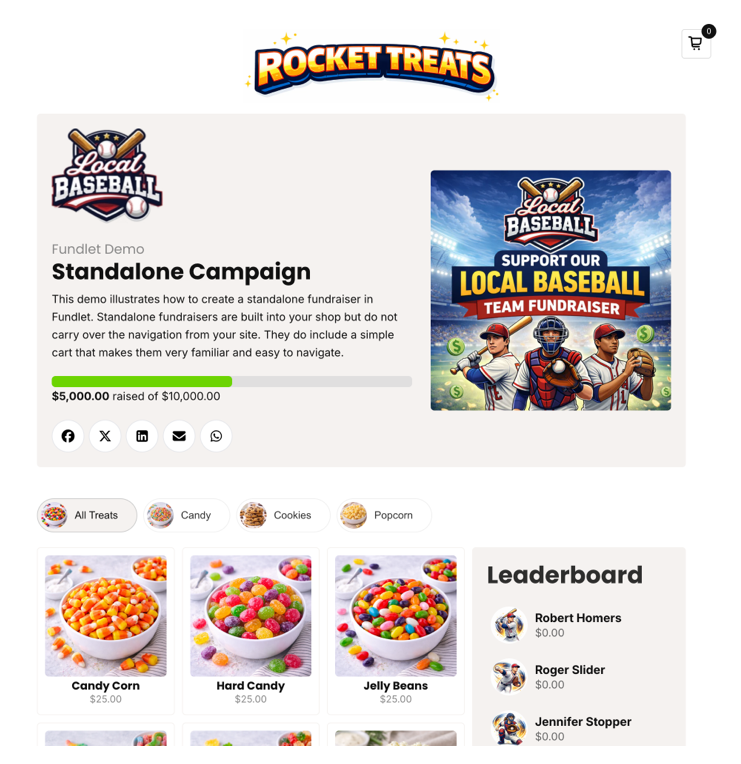
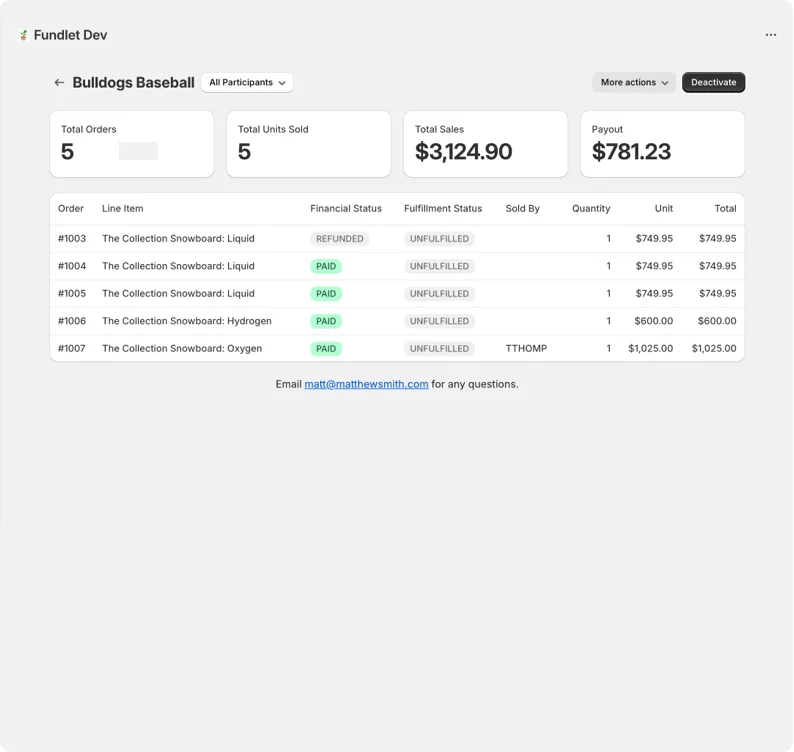
Short answer: A volunteer fire department, EMS squad, or first responder association can run a product fundraiser by partnering with a shop that uses Fundlet. The shop sells its products through a branded campaign page in the department's name, members share links, and the agreed share funds the department. No cash is collected and every order is recorded.
Volunteer departments fundraise against equipment that does not get cheaper — turnout gear, SCBA, extrication tools, training certifications — on a budget that depends on a township allocation and whatever the community gives. Meanwhile the members doing the fundraising are the same people running calls at 3 a.m.
No boot drive, no pancake breakfast shift
The traditional fundraisers — a boot drive at an intersection, a pancake breakfast, a chicken barbecue — cost a full day of member time, carry liability, and depend on weather and traffic. A link-based campaign runs continuously in the background and asks nothing of a member beyond sharing a link.
Community goodwill, finally easy to act on
Departments have more public goodwill than almost any other kind of organization and remarkably few easy ways for people to convert it. A campaign link posted to the department's page lets a resident support you in ninety seconds, from their phone, and get something real for it.
- A link per member or auxiliary volunteer
- Live totals per campaign and per participant
- Group by station, company, or auxiliary
- Exportable records for the board or trustees
Equipment campaigns with a visible goal
A campaign named for a specific purchase — a thermal imaging camera, a set of extrication tools, a training course for three members — gives residents a reason to give that an undifferentiated appeal does not. The progress bar does real work here, because the community watches it.
Benevolent and relief funds, kept separate
Departments and associations often maintain a separate benevolent or relief fund with its own restrictions. Running it as its own campaign keeps the proceeds and the records distinct from equipment and operations funds without any after-the-fact bookkeeping.
Auxiliaries and ladies' auxiliaries
Auxiliary organizations typically do most of the fundraising work and rarely get separate credit for it. Participant grouping lets the auxiliary run its own campaign with its own goal and total, reported separately to the board.
Scheduling around call volume
Because the drive requires no staffing, you can run it during the seasons when your members have the least time. Nothing is waiting on a volunteer to show up, and a campaign left running quietly still raises money.
Book a free 30-minute consultation to plan an equipment campaign, or send this page to a local business that supports your department.
See also: Fundraising for Nonprofits, Fundraising for Community Clubs and Associations, and the full index of organization guides.
 Add to Square Store