 Fundlet

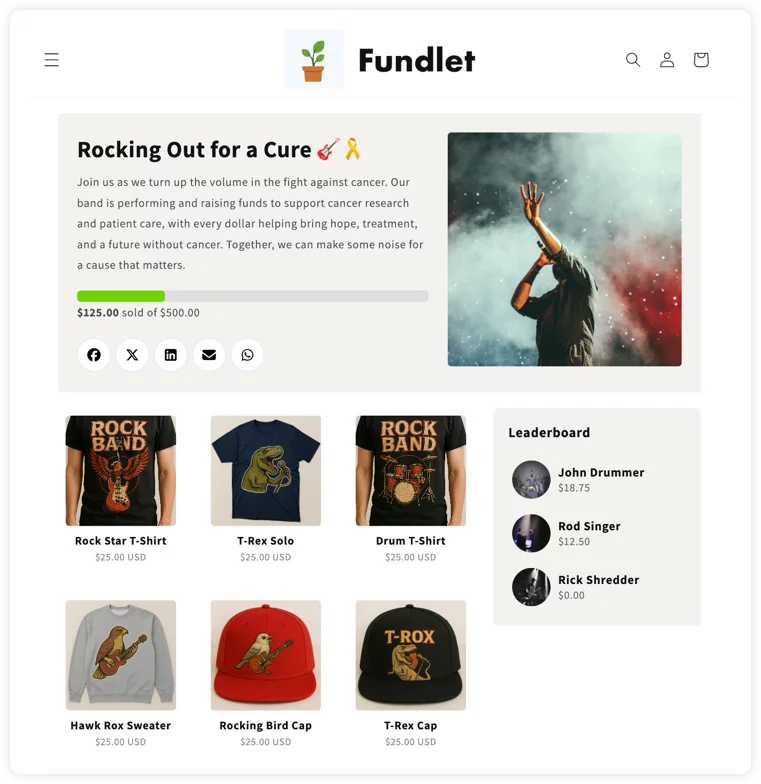
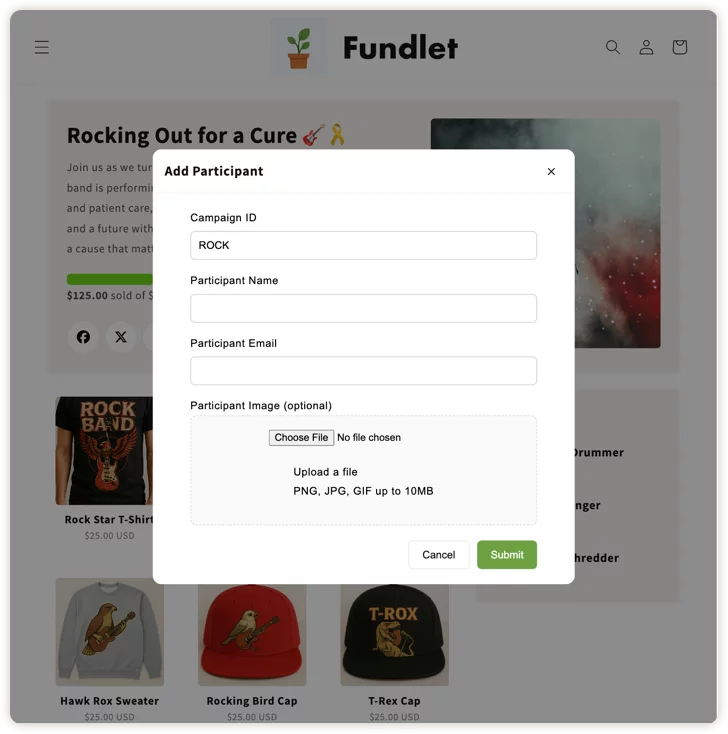
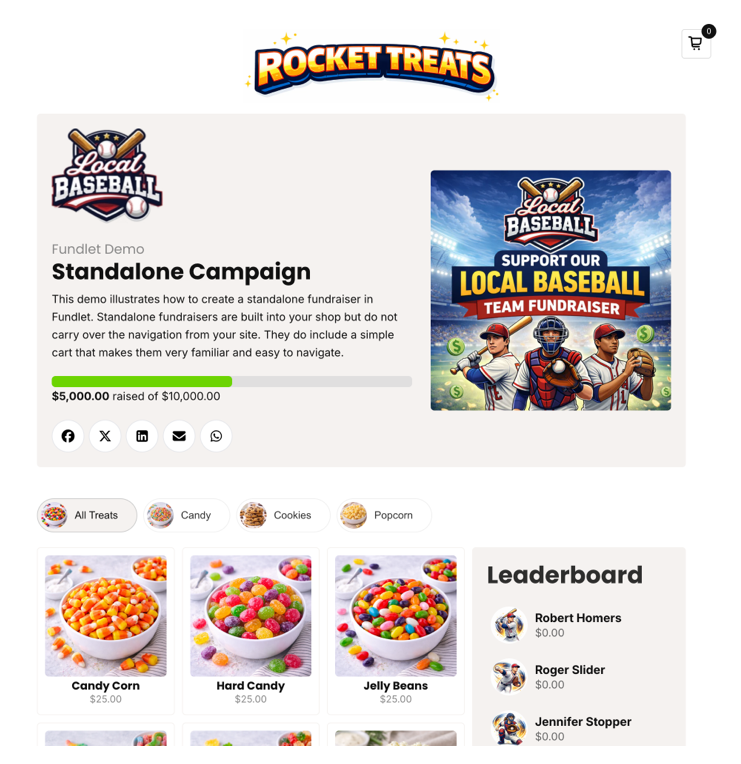
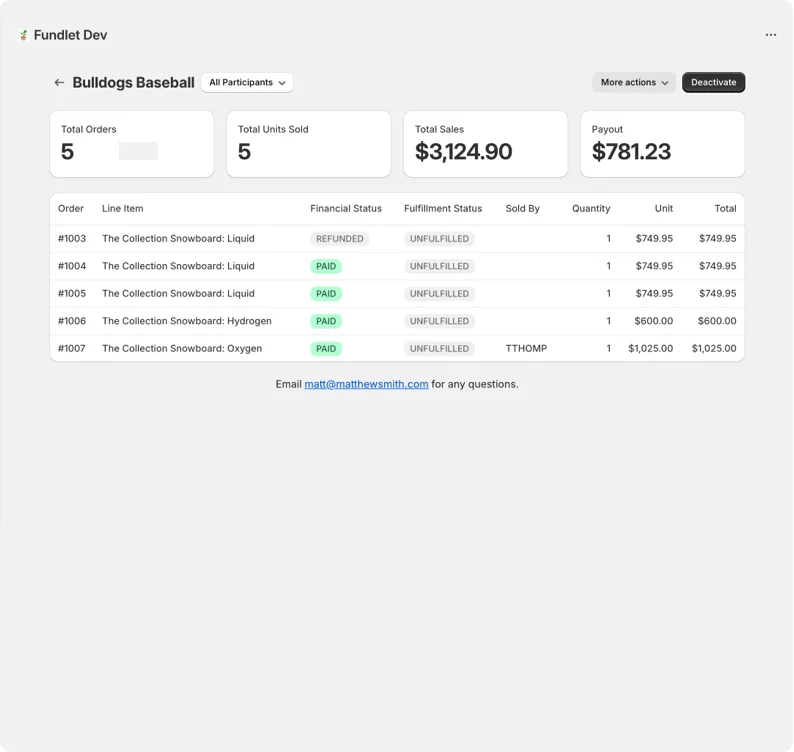
Short answer: A booster club can run product fundraisers for all of the teams and programs it supports through a single shop using Fundlet. Each team gets its own campaign page, goal, and roster; every order is credited to a participant automatically; and the club gets exportable records across all of them. No cash is collected and no order forms are used.
A booster club's hard problem is not selling. It is governance: multiple teams with competing needs, a volunteer board with real fiduciary duties, district rules about what may be sold and how money is handled, and an expectation that every dollar can be traced to the program it was raised for.
Every program, separately tracked
Fundlet supports unlimited concurrent campaigns, so football, volleyball, track, and the band each run their own drive with their own goal — while the club sees all of them. That structure is what lets you answer the question boosters get asked most: how much did our program raise?
- A campaign per team or per program
- Per-participant totals inside each campaign
- Independent start and end dates
- One shop partnership covering all of it
Records a district will accept
Booster clubs are frequently required to document fundraising activity for the district or for their own nonprofit filings. Because every order flows through a merchant's checkout and is recorded with campaign and participant, the drive generates a complete transaction record you can export rather than a reconstruction from deposit slips.
Individual accounts, where allowed
Some districts permit crediting sales toward an individual athlete's fees and others prohibit it. Per-participant tracking supports either policy: use the totals for individual credit where that is allowed, or use them purely for recognition and prizes where it is not. The data is the same; the policy is yours.
Working with a local business
Boosters typically already have relationships with local shops — the bakery that donates to the concession stand, the coffee roaster that sponsors a banner. Fundlet turns that goodwill into a repeatable program: the shop sells its own products through its own checkout, gains customers, and shares the proceeds, which is a more durable arrangement than an annual donation request.
Concessions are not enough
Most clubs fund themselves through concessions and a spring banquet, both of which are weather- and attendance-dependent. A product drive is not: it runs on links rather than foot traffic, reaches supporters who never attend a game, and can be scheduled for the off-season when the concession stand is closed.
Book a free 30-minute consultation to plan a multi-program drive, or send this page to a shop your club already works with.
See also: Fundraising for Sports Teams, Fundraising for Schools, and the full index of organization guides.
 Add to Square Store